


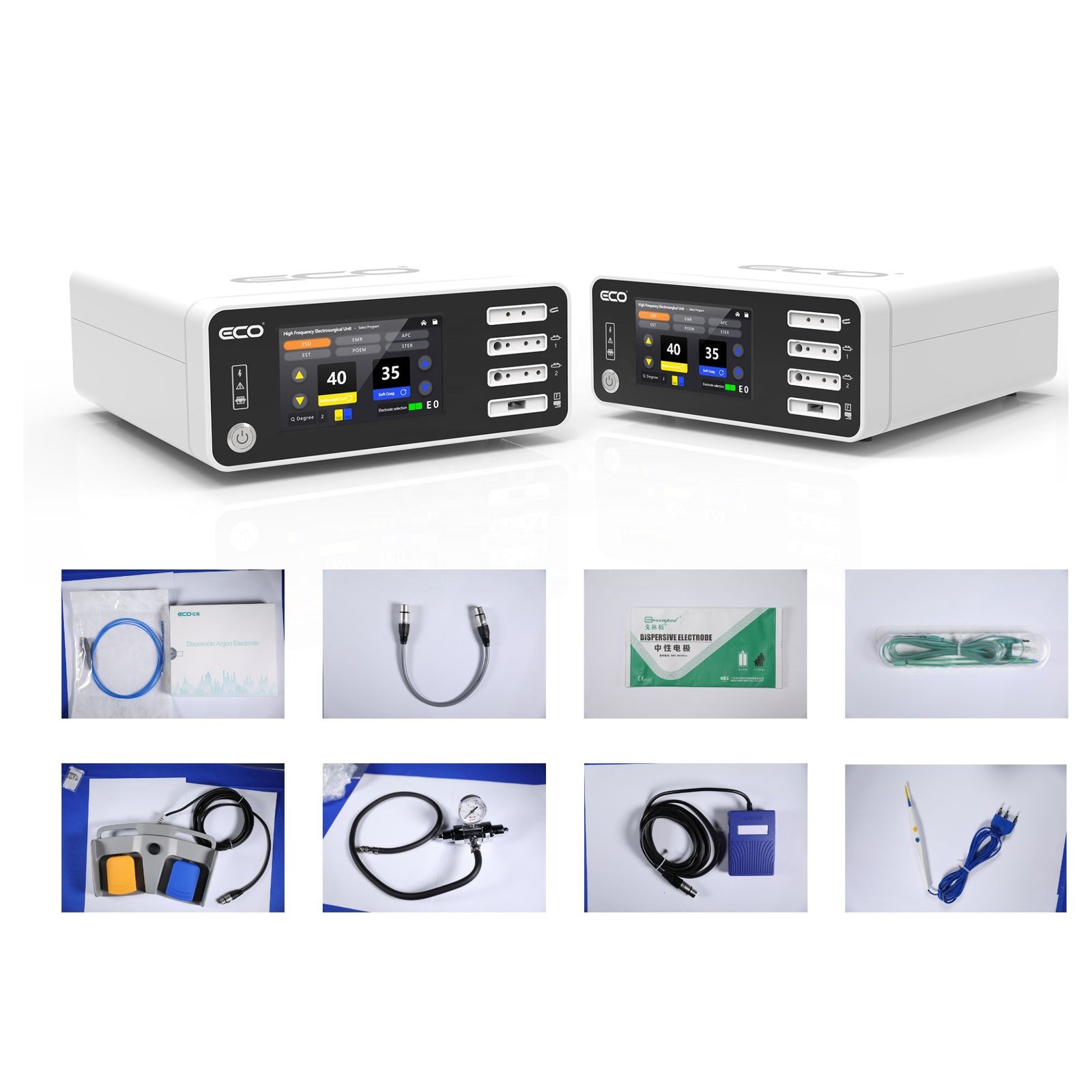
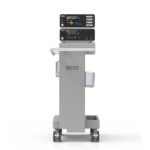
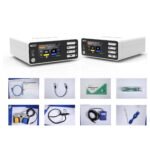
Laparoscopic Argon Plasma Coagulator System – Surgical Cutting & Coagulation Equipment in Pakistan
Medical Outlet offers the Laparoscopic Argon Plasma Coagulator System, a surgical energy device designed to deliver argon plasma coagulation (APC) during minimally invasive procedures. Because laparoscopic surgery requires precise, non-contact tissue coagulation and hemostasis, this system gives surgical teams a specialized tool for controlled energy delivery. As a result, it suits hospitals and surgical departments performing laparoscopic procedures across Pakistan.
This system uses argon gas combined with electrical energy to achieve tissue coagulation. So, the Laparoscopic Argon Plasma Coagulator System focuses on three things: non-contact coagulation, controlled tissue effect, and compatibility with laparoscopic surgical technique. Therefore, it suits surgical teams managing bleeding control, tissue devitalization, or coagulation needs during minimally invasive procedures.
How the Laparoscopic Argon Plasma Coagulator System Works
This system directs ionized argon gas — argon plasma — toward the target tissue, which conducts high-frequency electrical current from the probe tip to the tissue surface without direct contact. Thereby, it achieves coagulation across the tissue surface while limiting depth of penetration compared to some contact-based electrosurgical methods. Because the argon gas flow helps displace blood and other fluids from the treatment area, this may support clearer visualization of the coagulation site during the procedure.
Furthermore, the laparoscopic-compatible probe design allows the surgeon to direct the plasma stream through a trocar during minimally invasive surgery. This, in turn, extends APC technology into procedures that don’t require open surgical access.
Key Features
✔ Argon Plasma Coagulation (APC) Technology — Because this technology uses ionized argon gas to conduct electrical energy, it enables non-contact tissue coagulation.
✔ Laparoscopic-Compatible Design — Consequently, the probe design allows use through standard laparoscopic ports during minimally invasive procedures.
✔ Adjustable Energy Settings — Since surgical needs vary by procedure and tissue type, adjustable settings allow surgeons to tailor energy delivery accordingly.
✔ Non-Contact Application — As a result, the probe tip doesn’t need to touch the tissue directly, which may reduce the risk of tissue adhesion to the instrument.
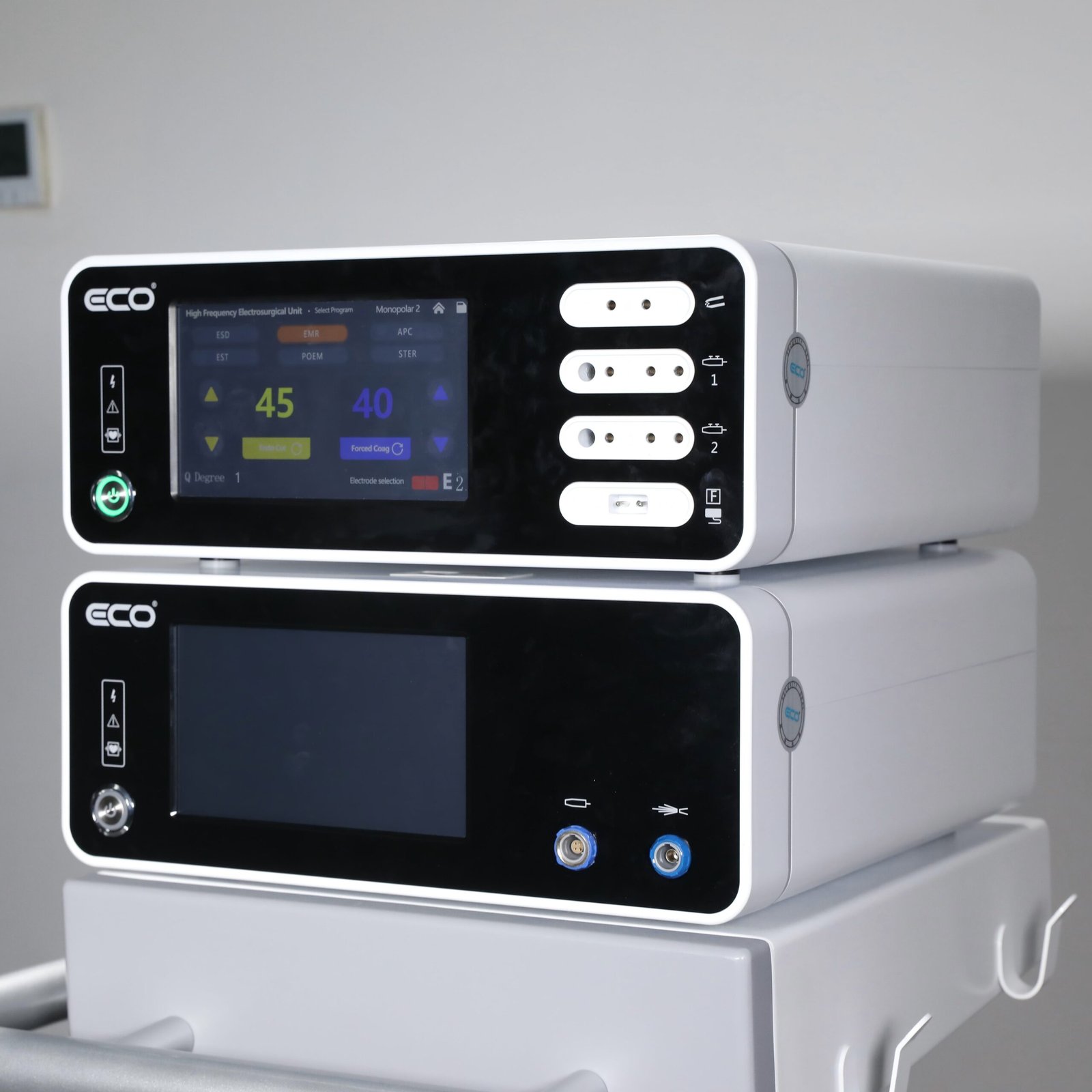
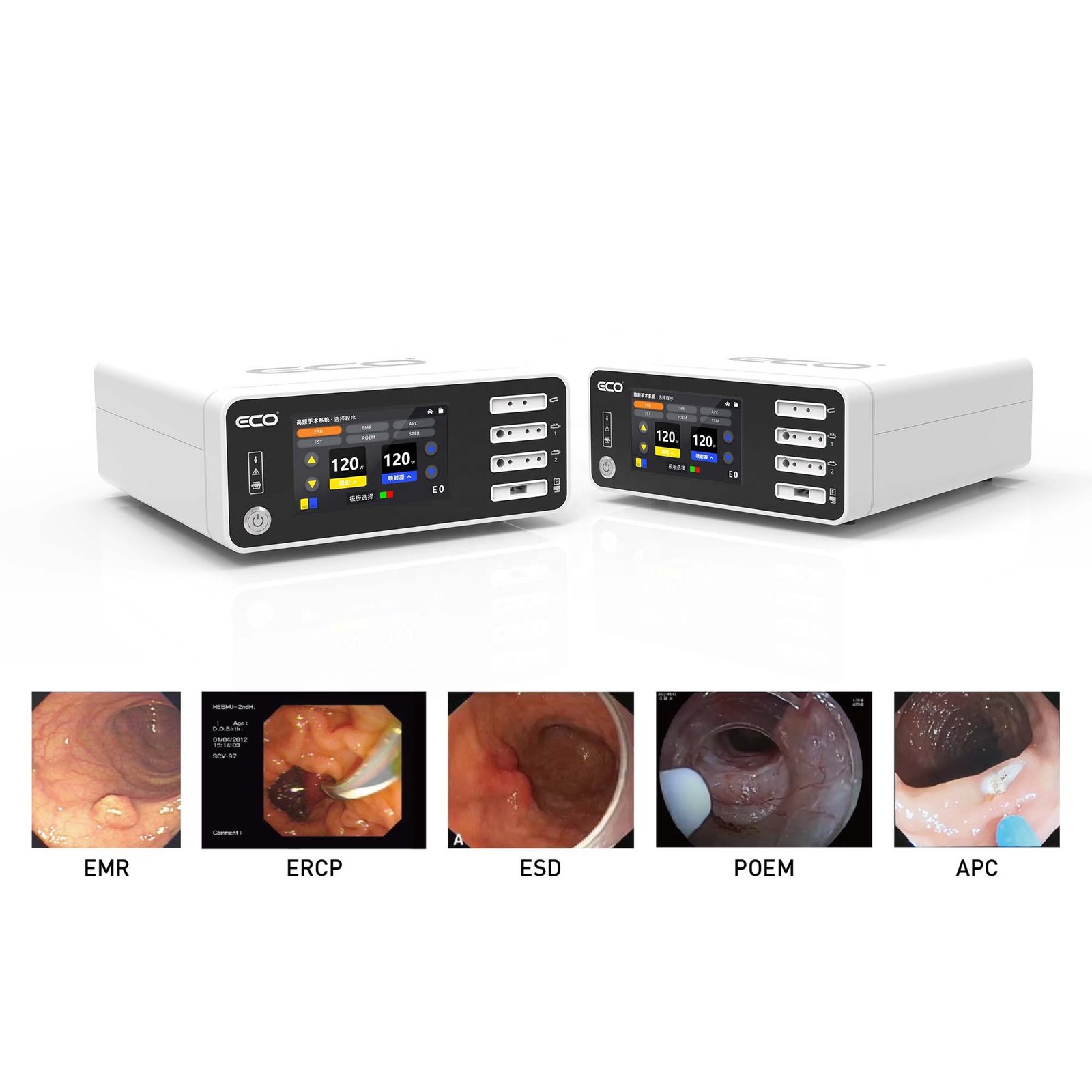
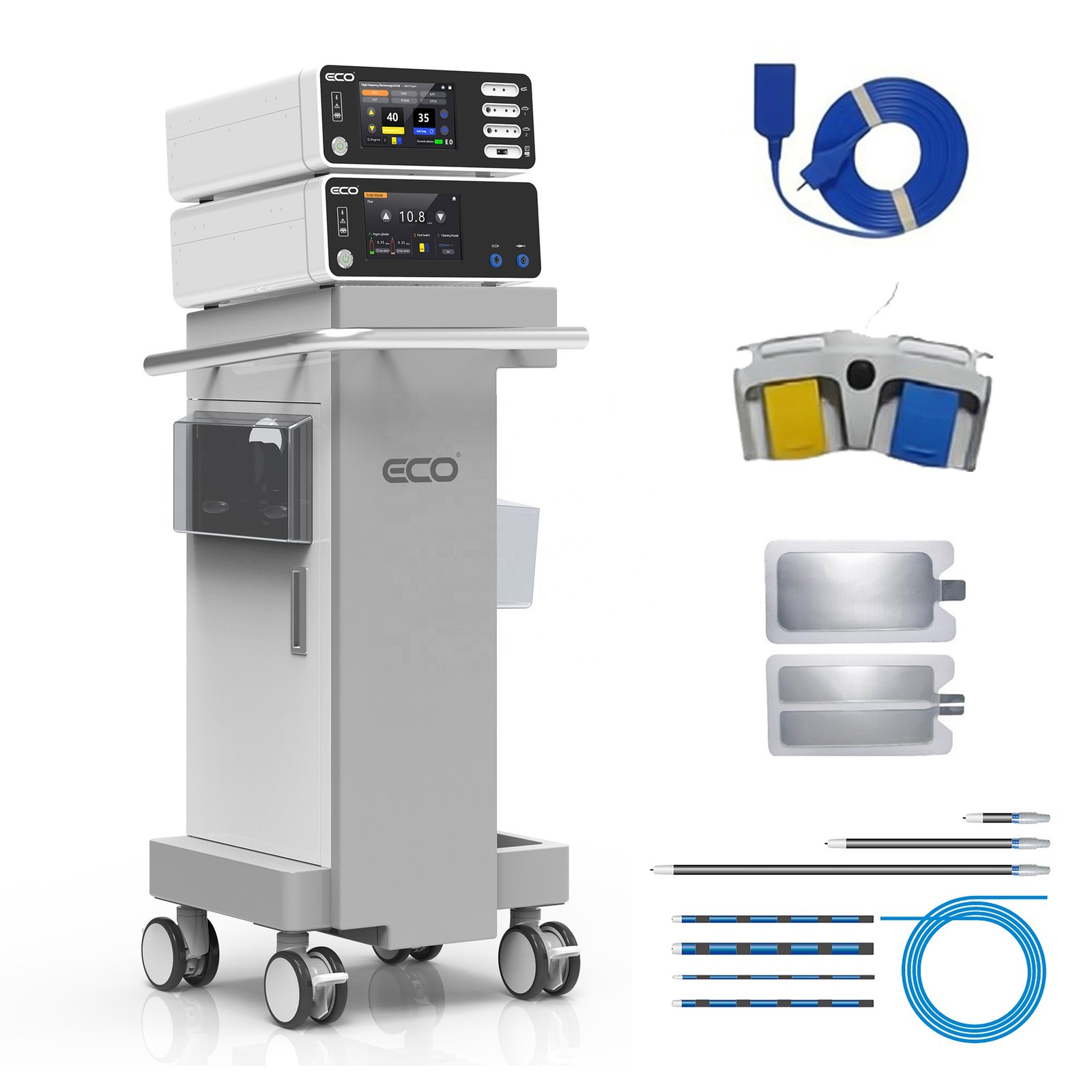
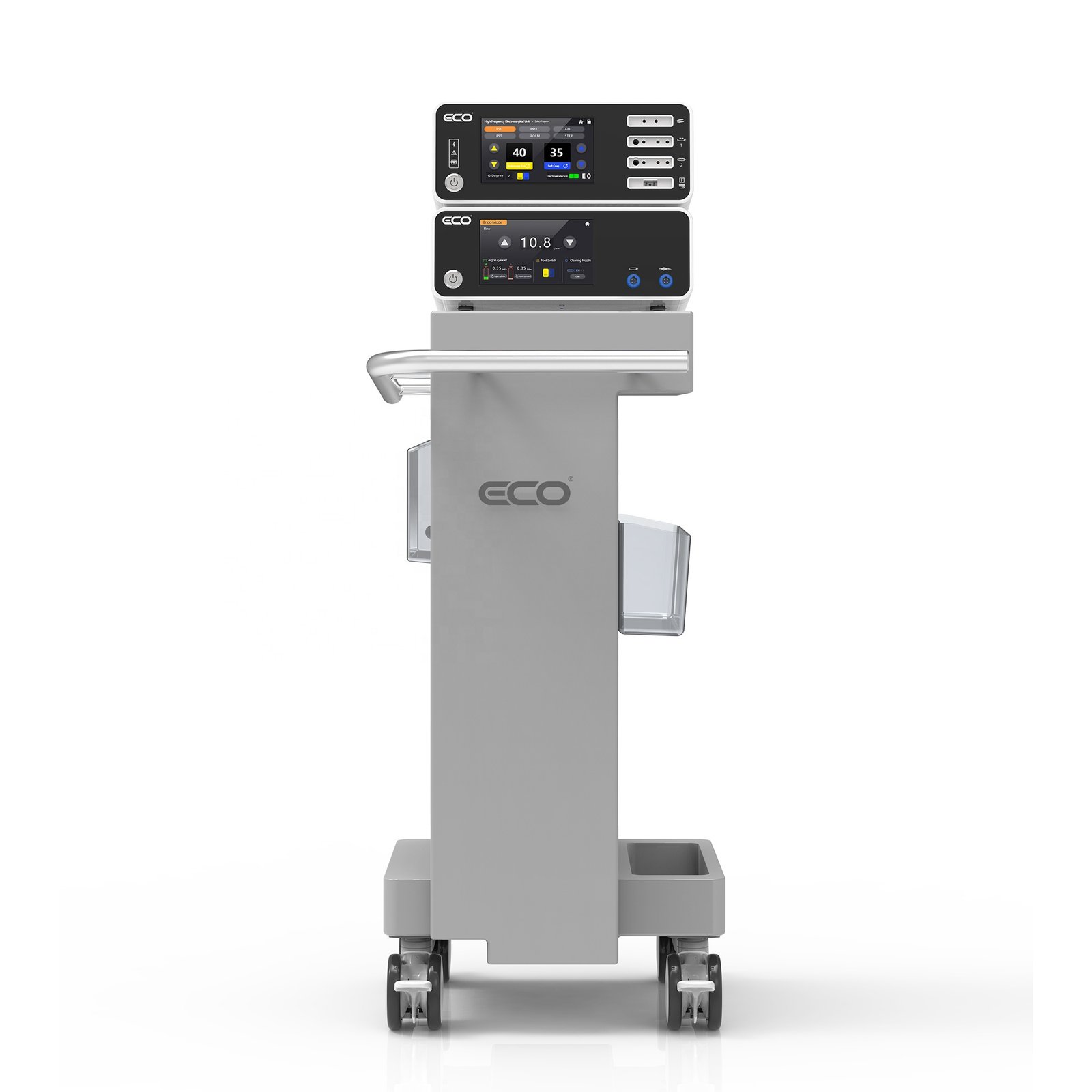
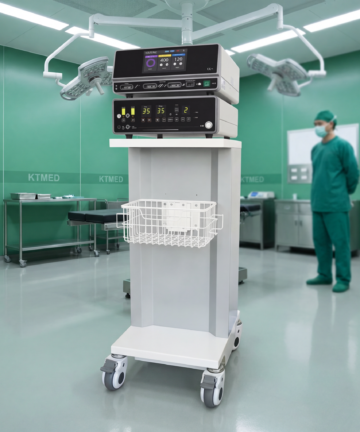
✔ Digital Control Console — Overall, the system includes a control unit for managing gas flow and electrical output during the procedure.
✔ Hemostasis Support — Because APC technology is commonly used for bleeding control, this system supports hemostatic needs during laparoscopic surgery.
Technical Specifications
(Please confirm every field against your supplier’s official documentation and IFU before publishing)
| Specification | Details |
|---|---|
| Product Name | Laparoscopic Argon Plasma Coagulator System |
| Technology | Argon Plasma Coagulation (APC) |
| Application | Laparoscopic (minimally invasive) surgery |
| Control Type | Digital console with adjustable settings |
| Function | Tissue coagulation, hemostasis |
| Usage Environment | Hospitals, operating theaters |
| Power Supply | Standard electrical connection (model dependent) |
Common Uses for the Laparoscopic Argon Plasma Coagulator System
Overall, surgical teams use this system for several core applications:
✔ Hemostasis During Laparoscopic Surgery — Since bleeding control matters throughout minimally invasive procedures, this system supports coagulation of bleeding tissue surfaces.
✔ Tissue Devitalization — Similarly, surgeons may use APC technology to devitalize tissue in select laparoscopic applications, depending on surgical indication.
✔ General Laparoscopic Coagulation Needs — In addition, hospitals performing a range of laparoscopic procedures may use this system as part of their standard surgical equipment.
✔ Complementary Use with Cutting Instruments — Consequently, surgical teams may use this system alongside other laparoscopic cutting instruments during combined cutting-and-coagulation procedures.
Benefits of Using the Laparoscopic Argon Plasma Coagulator System
This system gives surgical teams a specialized tool for non-contact tissue coagulation during minimally invasive procedures. Since the argon plasma approach limits direct probe-tissue contact, it may help reduce instrument adhesion to tissue during the coagulation process. Because the system offers adjustable energy settings, surgeons can tailor its use to the specific procedure and tissue type involved. Consequently, hospitals performing laparoscopic surgery may find this system a valuable addition to their surgical equipment inventory.
Why Choose the Laparoscopic Argon Plasma Coagulator System from Medical Outlet?
This system stands out for its laparoscopic-compatible design and adjustable APC technology. As a dependable choice for hospitals and surgical departments, it supports teams managing hemostasis and coagulation needs during minimally invasive procedures. Moreover, its digital control console gives surgical teams the ability to adjust settings based on procedure requirements.
Ideal For
- Hospitals Performing Laparoscopic Surgery
- Surgical Departments Managing Hemostasis Needs
- Minimally Invasive Surgery Centers
- Operating Theaters Requiring APC Technology
Frequently Asked Questions: Technology & Function
1. What is the Laparoscopic Argon Plasma Coagulator System used for?
It’s used to achieve non-contact tissue coagulation and hemostasis during laparoscopic (minimally invasive) surgical procedures.
2. How does argon plasma coagulation differ from direct-contact electrosurgery?
Because APC uses ionized argon gas to conduct electrical energy to the tissue without the probe touching it directly, this non-contact approach differs from methods requiring direct instrument-tissue contact.
3. Can this system be used for laparoscopic procedures specifically?
Yes, since the probe design allows use through standard laparoscopic ports, this system supports minimally invasive surgical applications.
4. What kind of control does the system offer during surgery?
The system includes a digital console with adjustable settings, allowing surgical teams to tailor gas flow and energy output to the specific procedure.
5. What is the primary clinical purpose of this device?
Typically, surgical teams use APC systems primarily for hemostasis (bleeding control) and controlled tissue coagulation during surgical procedures.
Frequently Asked Questions: Safety & Availability
6. Does this system reduce tissue adhesion to the probe?
Because the non-contact application means the probe tip doesn’t touch tissue directly, this may reduce the risk of tissue sticking to the instrument compared to contact-based methods.
7. What safety considerations apply to argon plasma coagulation systems?
Since APC systems involve gas flow and electrical energy, users must follow the manufacturer’s Instructions for Use (IFU) closely, and only trained surgical personnel should operate this equipment.
8. Who operates the Laparoscopic Argon Plasma Coagulator System?
Trained surgeons and surgical teams operate this system as part of laparoscopic surgical procedures.
9. Can this system be used alongside other laparoscopic instruments?
Yes, because many procedures combine cutting and coagulation steps, surgical teams may use this system alongside other laparoscopic cutting instruments during a single procedure.
10. Where can hospitals get this system in Pakistan?
Medical Outlet supplies the Laparoscopic Argon Plasma Coagulator System to hospitals and surgical departments across Pakistan.
Conclusion
In summary, the Laparoscopic Argon Plasma Coagulator System offers surgical teams a specialized tool for non-contact tissue coagulation during minimally invasive procedures. Thanks to its laparoscopic-compatible design and adjustable APC technology, it supports hospitals managing hemostasis and coagulation needs. Overall, this system stands as a component within Medical Outlet’s surgical equipment offerings across Pakistan.





There are no reviews yet.