


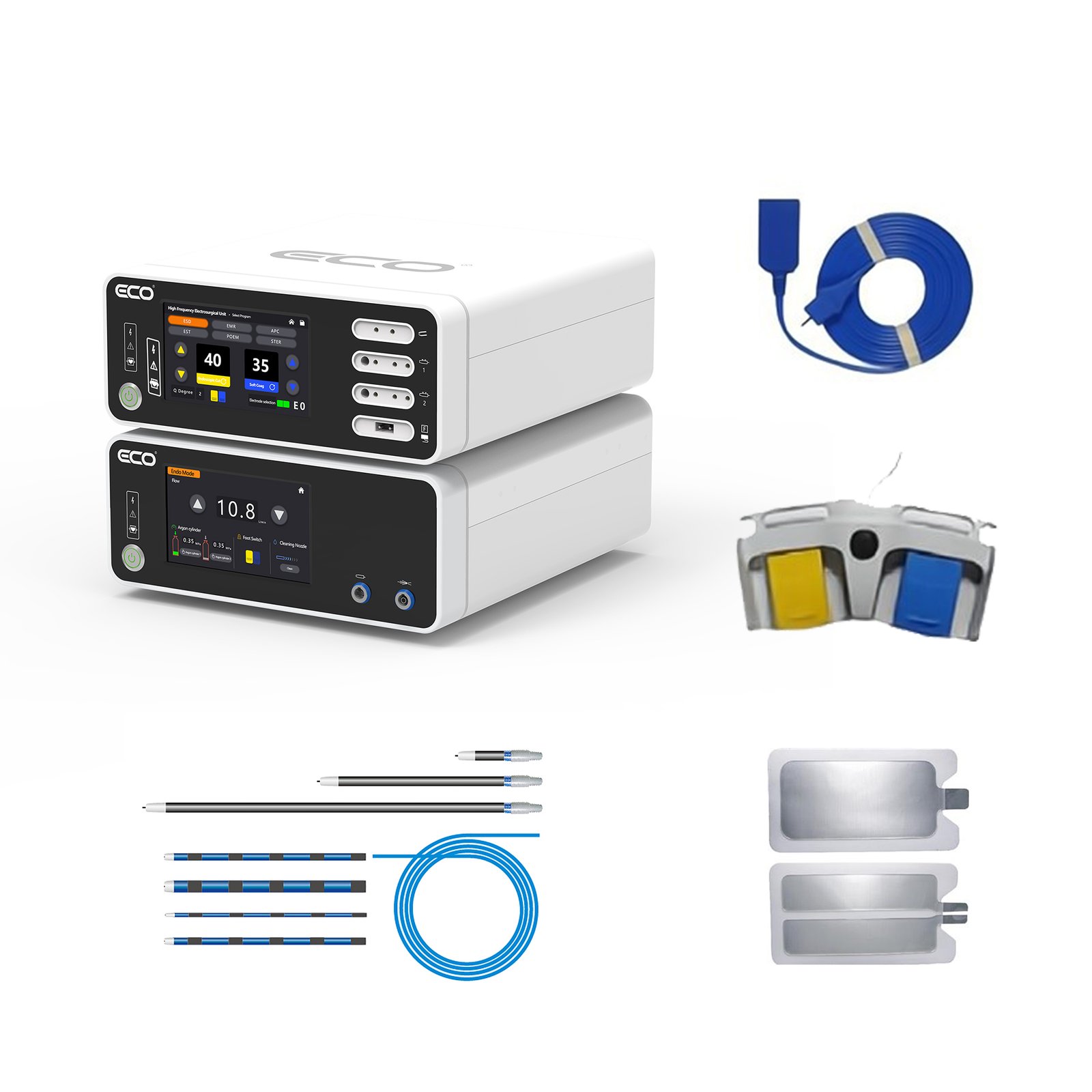
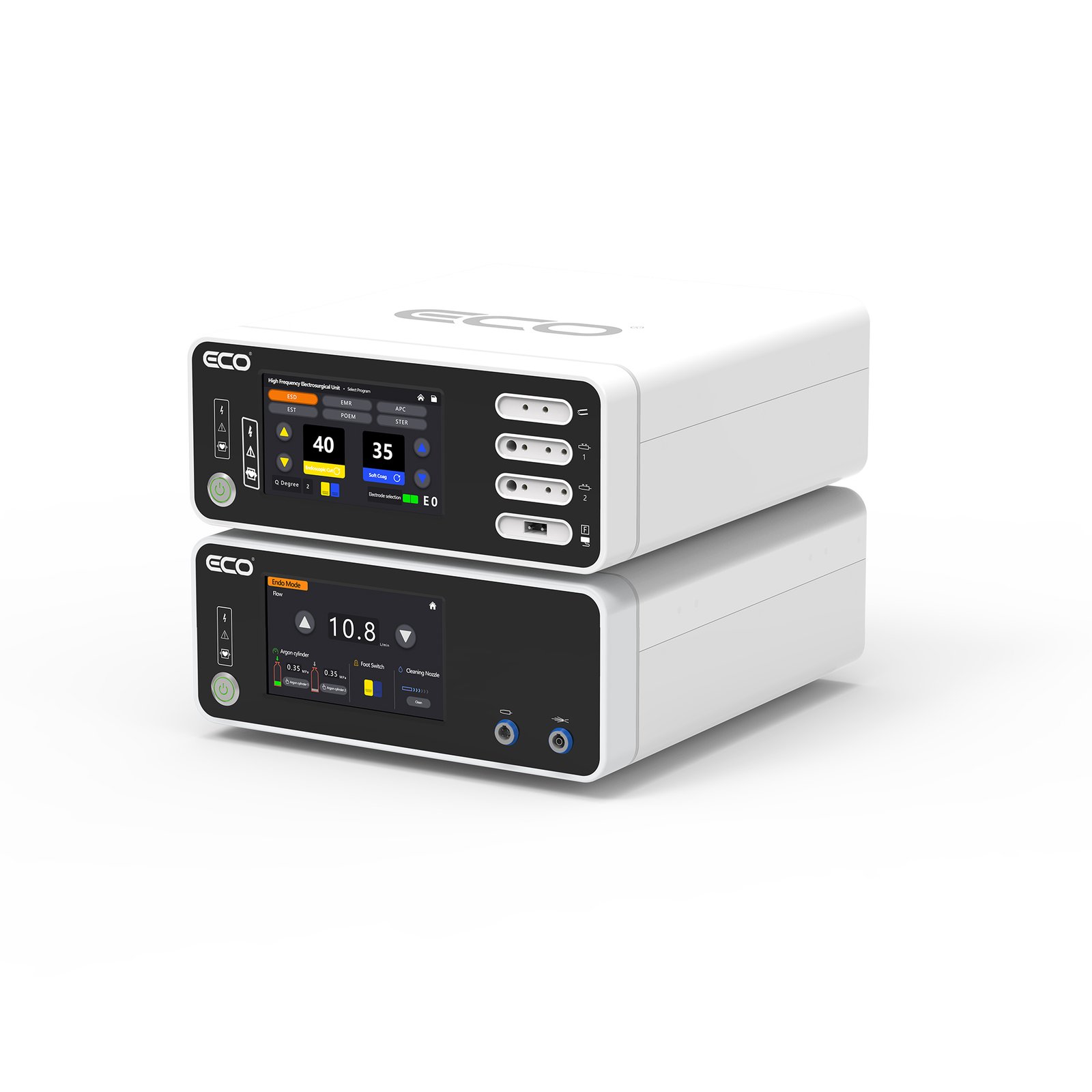
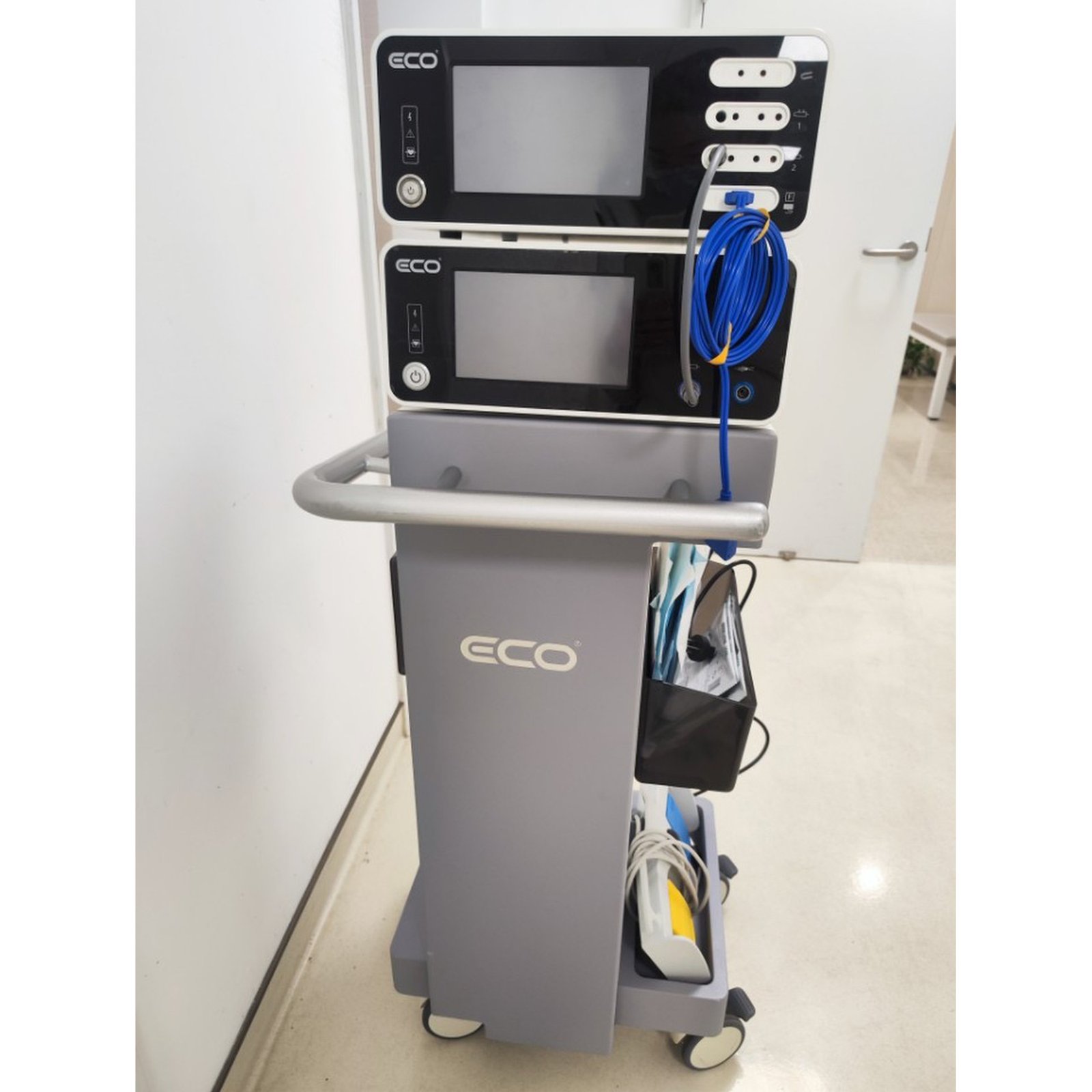
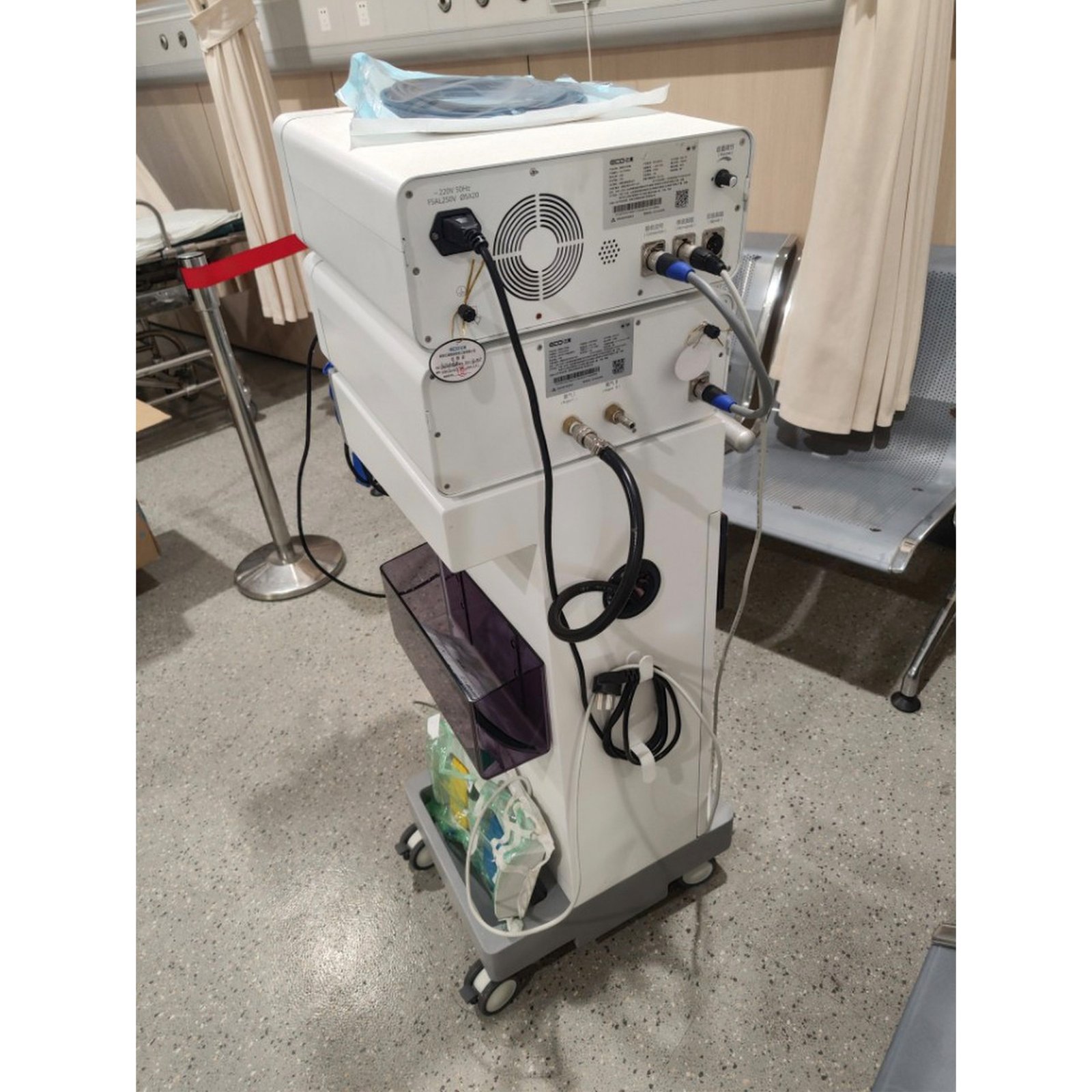
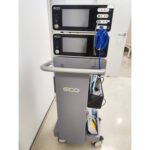
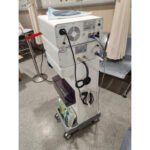
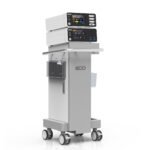
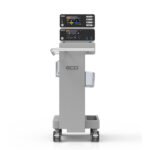
APC Argon Plasma Coagulation Unit Endoscopia Argon Generator Surgery in Pakistan
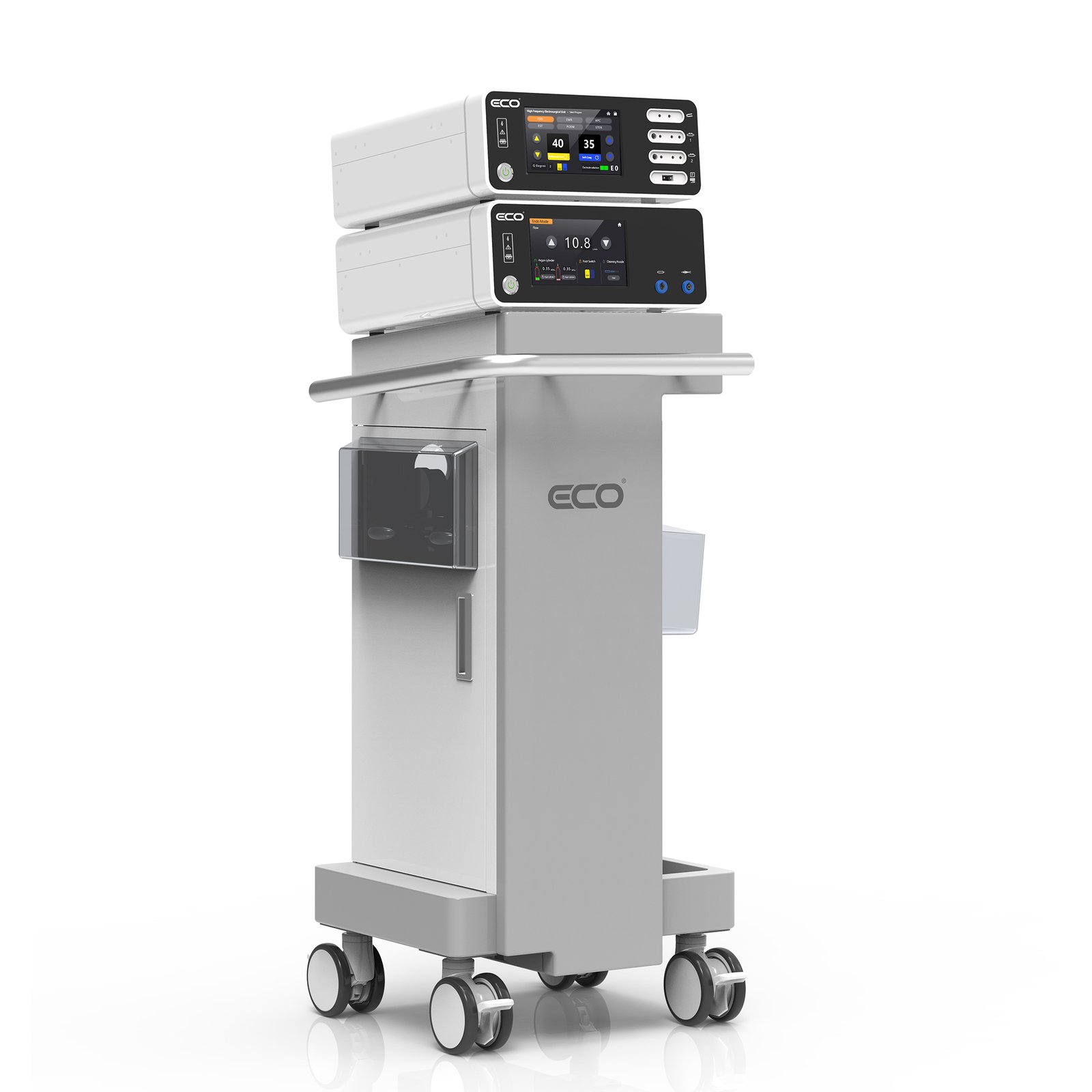
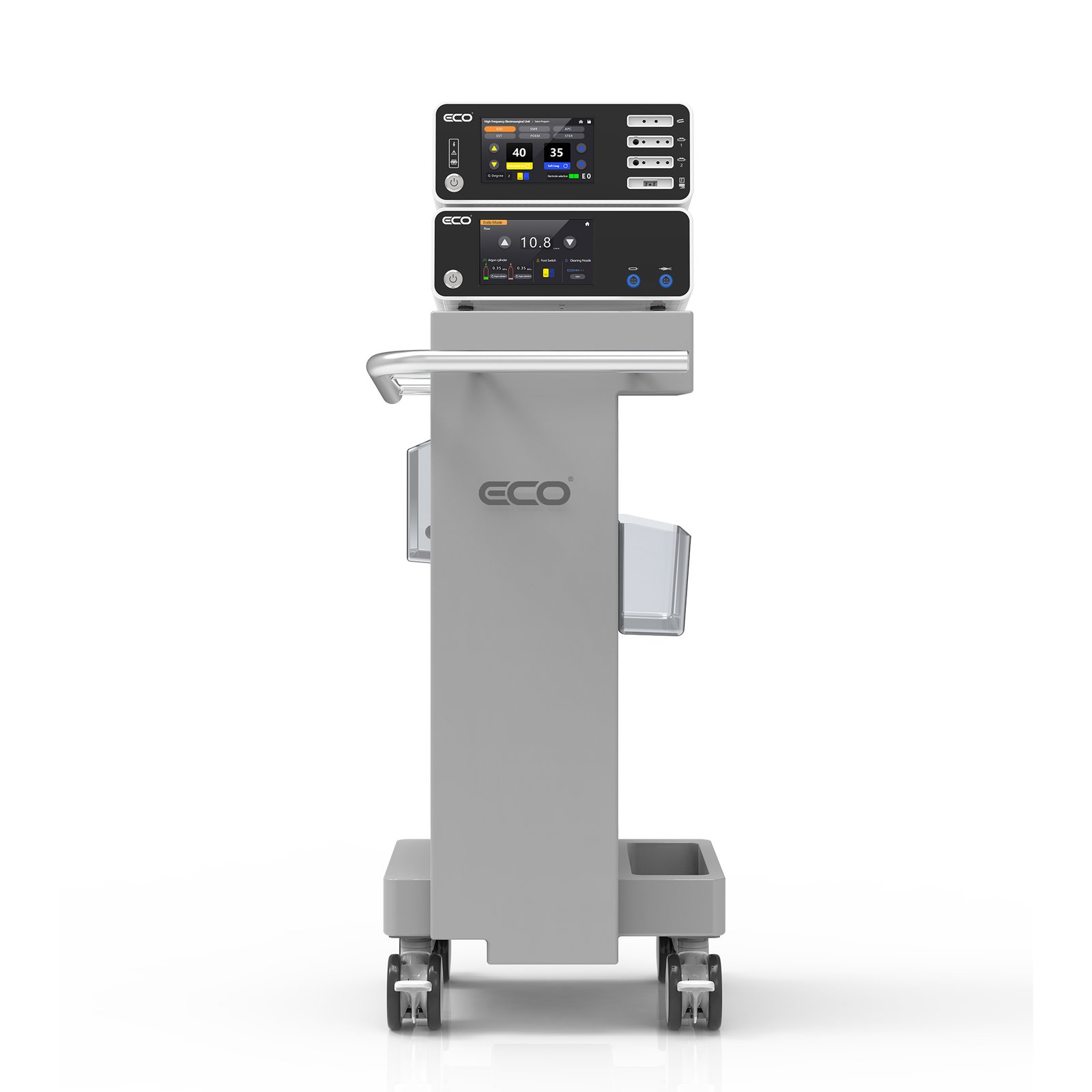
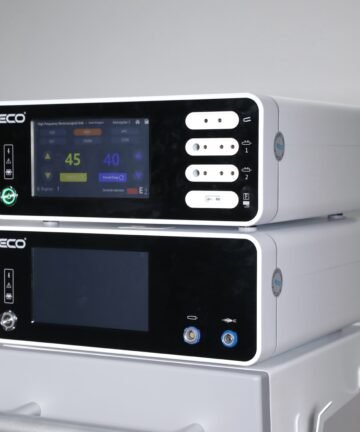
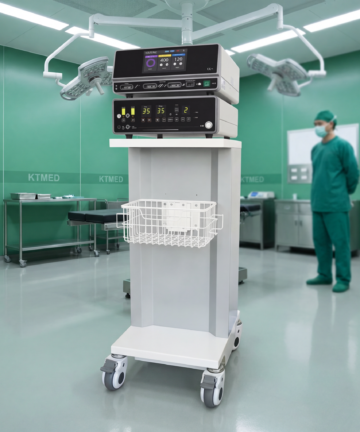
Medical Outlet offers the APC Argon Plasma Coagulation Unit, an advanced endoscopia argon generator made for non-contact hemostasis during gastrointestinal and pulmonary procedures. Because bleeding lesions and tumors need controlled, precise treatment, this APC Argon Plasma Coagulation Unit delivers ionized argon gas through a flexible probe connected to a high-voltage electrosurgical generator. As a result, it suits gastroenterologists and endoscopy units looking for a dependable argon-based coagulation generator across Pakistan.
This unit works through monopolar high-frequency current conducted via ionized argon gas. So, the APC Argon Plasma Coagulation Unit focuses on three things: uniform tissue coagulation, adjustable power delivery, and safe operative distance control. Therefore, it suits surgical teams managing gastrointestinal bleeding, tumor debulking, and vascular lesion treatment.
How the APC Argon Plasma Coagulation Unit Works
This generator delivers output voltage between 5000–6500V through a probe electrode, with power adjustable between 0 and 155W depending on the clinical need. Thereby, electrons flow through a channel of ionized argon gas from the probe tip to the target tissue, causing controlled surface coagulation. Because coagulation depth depends on power setting, gas flow rate, and application duration, surgeons can fine-tune the effect precisely for each lesion.
Furthermore, a foot switch synchronizes argon gas release with electrical current delivery. This, in turn, gives the surgeon direct, real-time control over when and how coagulation occurs during the procedure.
Key Features of the APC Argon Plasma Coagulation Unit
✔ High-Voltage Generator Output — Because the unit delivers 5000–6500V with adjustable power up to 155W, it supports a wide range of coagulation intensities.
✔ Adjustable Argon Gas Flow — Consequently, flow rates ranging from 0.5 to 7 L/min let surgeons match gas delivery to the procedure and target site.
✔ Foot Switch Activation — As a result, surgeons control both gas release and current delivery through a single, synchronized foot pedal.
✔ Coagulation Depth Control — Since depth depends on power, flow rate, and duration, surgeons can manage treatment precisely to avoid excessive injury.
✔ Multiple Probe Diameters & Lengths — Overall, disposable Teflon probes in various diameters (1.5mm, 2.3mm, 3.2mm) and lengths suit different endoscopic applications.
✔ En Face & Tangential Coagulation — Thanks to its flexible probe design, it treats lesions directly in front of or at an angle to the endoscope.
Technical Specifications
| Specification | Details |
|---|---|
| Product Name | APC Argon Plasma Coagulation Unit |
| Technology | Monopolar high-frequency current with ionized argon gas |
| Output Voltage | 5000–6500V |
| Power Range | 0–155W (adjustable) |
| Argon Gas Flow | 0.5–7 L/min (adjustable) |
| Probe Diameters | 1.5mm, 2.3mm, 3.2mm |
| Probe Lengths | Standard 220cm; extended 300–440cm available |
| Usage Area | Endoscopy suites, operating rooms, hospitals |
Common Uses for the APC Argon Plasma Coagulation Unit
Overall, gastroenterologists and surgical teams use this unit for several procedures:
✔ Gastrointestinal Bleeding Control — Since the unit treats bleeding ulcers and angiodysplasias without contact, it suits both upper and lower GI applications.
✔ Tumor Debulking — Similarly, it helps reduce obstructive tumor mass in the GI tract or airway during endoscopy.
✔ Vascular Malformation Treatment — In addition, it treats vascular lesions and diffuse bleeding sources like GAVE syndrome.
✔ Post-Polypectomy Site Treatment — Consequently, it treats residual tissue at the base of resected polyps to help reduce recurrence.
Benefits of the APC Argon Plasma Coagulation Unit
Consistent use supports safer, more controlled coagulation across a wide range of procedures. Since power, gas flow, and probe distance can all be individually adjusted, surgical teams get precise control over treatment depth and intensity. Because the unit produces a uniform, non-contact effect with minimal carbonization, users get clearer visualization throughout the procedure. Since disposable probes come in multiple sizes and lengths, it fits comfortably into standard and specialized endoscopic applications like push enteroscopy. Consequently, many endoscopy units find it a practical addition to their hemostasis toolkit.
Why Choose This APC Argon Plasma Coagulation Unit from Medical Outlet?
This unit stands out for combining precise voltage and gas-flow control with a design suited to multiple endoscopic applications. As a dependable choice for gastroenterology teams, it offers consistent, controlled performance across bleeding control, tumor debulking, and vascular lesion treatment. Moreover, its foot-switch-synchronized operation makes it convenient to integrate into busy endoscopy workflows throughout Pakistan.
Ideal For:
- Hospitals & Surgical Departments
- Gastroenterology Units
- Endoscopy Suites
- Pulmonology Departments
- Interventional Endoscopy Centers
Frequently Asked Questions (FAQs)
1. What does the APC Argon Plasma Coagulation Unit do?
It delivers ionized argon gas through a high-voltage current to achieve non-contact, controlled coagulation for bleeding lesions and tumors during endoscopy.
2. What voltage and power range does this generator operate at?
It operates — notably, at 5000–6500V output, with power adjustable between 0 and 155W depending on the clinical need.
3. Can the argon gas flow rate be adjusted?
It can, since flow rates typically range from 0.5 to 7 L/min, letting surgeons match gas delivery to the specific procedure.
4. Does this unit touch the tissue during treatment?
It doesn’t, since argon plasma coagulation works as a non-contact technique, treating tissue from a short distance.
5. What probe sizes are available for this unit?
They are — commonly available in 1.5mm, 2.3mm, and 3.2mm diameters, with standard 220cm probes and extended lengths for specialized procedures.
6. How is coagulation depth controlled?
It’s controlled through a combination of generator power setting, argon gas flow rate, and duration of application at the target site.
7. Does this unit use a foot switch?
It does, specifically, to synchronize argon gas release with electrical current delivery, giving the surgeon direct real-time control.
8. What conditions does this unit commonly treat?
Notably, it treats gastrointestinal bleeding, vascular malformations, tumor debulking, and residual tissue after polypectomy.
9. Who should use this device?
Overall, it suits gastroenterologists, pulmonologists, and endoscopy units requiring precise, non-contact hemostasis.
10. Where can I buy the APC Argon Plasma Coagulation Unit in Pakistan?
Currently, Medical Outlet supplies this unit nationwide across Pakistan, with delivery and support available depending on location.
Conclusion
In summary, the APC Argon Plasma Coagulation Unit offers a precise, adjustable solution for non-contact hemostasis and tissue coagulation during endoscopic and surgical procedures. Thanks to its controllable voltage, gas flow, and probe options, it delivers effective performance across a range of gastrointestinal and pulmonary applications. Overall, this unit makes a practical addition to any modern endoscopy suite — available nationwide across Pakistan through Medical Outlet.




There are no reviews yet.